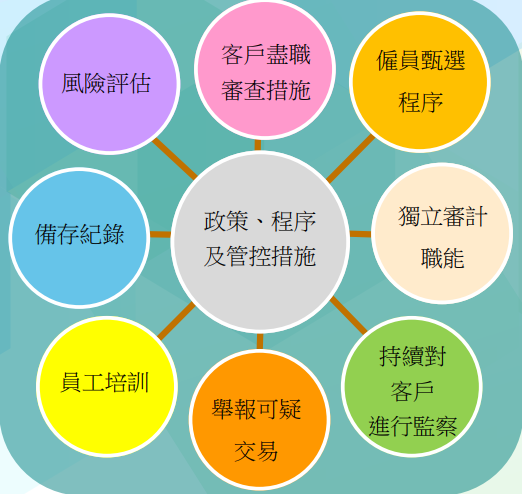
TCSP Compliance Officer (TCSP Guideline): The principal function of the CO is to act as the focal point within a TCSP licensee for the oversight of all activities relating to the prevention and detection of ML/TF, and providing support and guidance to the senior management to ensure that ML/TF risks are adequately identified, understood and managed. In particular, the CO should assume responsibility for:
(a) developing and/or continuously reviewing the TCSPlicensee’s AML/CFT Systems, including any group-wideAML/CFT Systems in the case of a Hong Kong-incorporatedTCSP licensee, to ensure they remain up-to-date, meet currentstatutory and regulatory requirements, and are effective inmanaging ML/TF risks arising from the TCSP licensee’sbusiness;
(b) overseeing all aspects of the TCSP licensee’s AML/CFTSystems which include monitoring effectiveness andenhancing the controls and rocedures where necessary;
(c) communicating key AML/CFT issues with seniormanagement, including, where appropriate, significantcompliance deficiencies; and
(d) ensuring AML/CFT staff training is adequate, appropriate andeffective.
(TCSP Guideline 3.9 – 3.10)
MLRO : A TCSP licensee should appoint an MLRO as a central reference point for reporting suspicious transactions and also as the main point of contact with the Joint Financial Intelligence Unit (JFIU) and law enforcement agencies. The MLRO should play an active role in the identification and reporting of suspicious transactions. Principal functions of the MLRO should include having oversight of:
(a) review of internal disclosures and exception reports and, in light of all available relevant information, determining whether or not it is necessary to make a report to the JFIU;
(b) maintenance of all records related to such internal reviews; and
(c) provision of guidance on how to avoid tipping off.